Resilience for Life (13-25y)
Prepare Young People for the Life They Are Stepping Into
As young people grow, life becomes more complex.
Young people are expected to become increasingly independent — but many have never been intentionally taught how to understand their own thoughts, emotions, reactions and behaviour.
Academic pressure increases. Relationships change. Decisions become more important. Expectations grow. And questions about identity, the future, study, work and relationships begin to carry more weight.
Resilience for Life gives young people practical tools to navigate these challenges with greater clarity, confidence and independence.
The program is not about avoiding difficulties or simply “staying positive.”
It helps young people understand themselves, recognise what they can influence and respond more intentionally when life gets difficult.
The goal is simple:
Don’t just understand resilience. Know how to use it when life gets hard.
Level 1 — Build Your Resilience
5 Sessions | 60 or 90 Minutes
Understand Your Thinking. Change Your Response.
It starts in the mind.
Through our Knowledge Talk on Metacognition — thinking about your own thinking — young people discover how strongly their thoughts influence emotions, behaviour and the way they experience life.
They learn to step back from automatic reactions, challenge unhelpful thinking and choose a more resilient response.
Understand your thinking. Take back influence. Respond differently.
Level 2 — Know Yourself. Understand Others
5 Sessions | 60 or 90 Minutes
Build Self-Awareness. Strengthen Relationships.
Why do I react the way I do? Why does someone else see the same situation completely differently?
Young people explore their needs, perceptions and patterns — while learning to better understand the people around them.
The result: more self-awareness, more empathy, healthier communication and stronger relationships.
Level 3 — Move With Intention
5 Sessions | 60 or 90 Minutes
Discover IMOTIK® — A Powerful Tool for Self-Regulation.
Level 3 introduces IMOTIK®, a unique self-regulation concept already taught and used by many people in Germany — and now brought to young people in Asia.
Inspired by physical training, IMOTIK® helps young people learn how to regulate their energy, motivation, emotional intensity and mental flexibility.
It turns self-regulation into something practical, memorable and usable in everyday life.
Adapt. Regulate. Focus. Move forward.
One Foundation. Adapted for Different Ages.
Resilience for Life is designed for young people aged 13–25.
A 13-year-old and a 22-year-old may need many of the same resilience skills — but they experience very different challenges.
That is why the core learning stays consistent while the language, examples, activities and level of application grow with the participants.
From friendships and school pressure to university, relationships, work and major life decisions:
The foundation stays the same. The application grows with them.
Experience It. Remember It. Live It.
Resilience for Life is not a lecture.
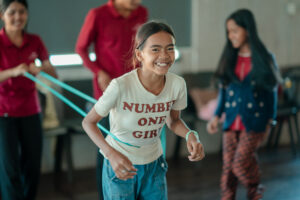
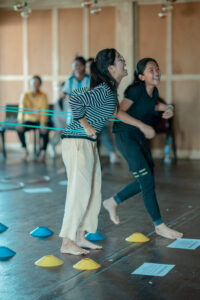
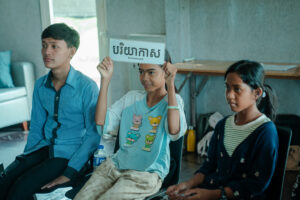
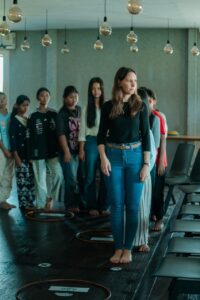
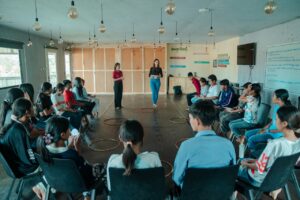
Young people experience the concepts through activities, discussion, reflection and practical tools they can immediately connect to their own lives.
Because resilience only becomes powerful when you can use it when you actually need it.
Young people experience the concepts through activities, discussion, reflection and practical tools they can immediately connect to their own lives.
Because resilience only becomes powerful when you can use it when you actually need it.
What People say

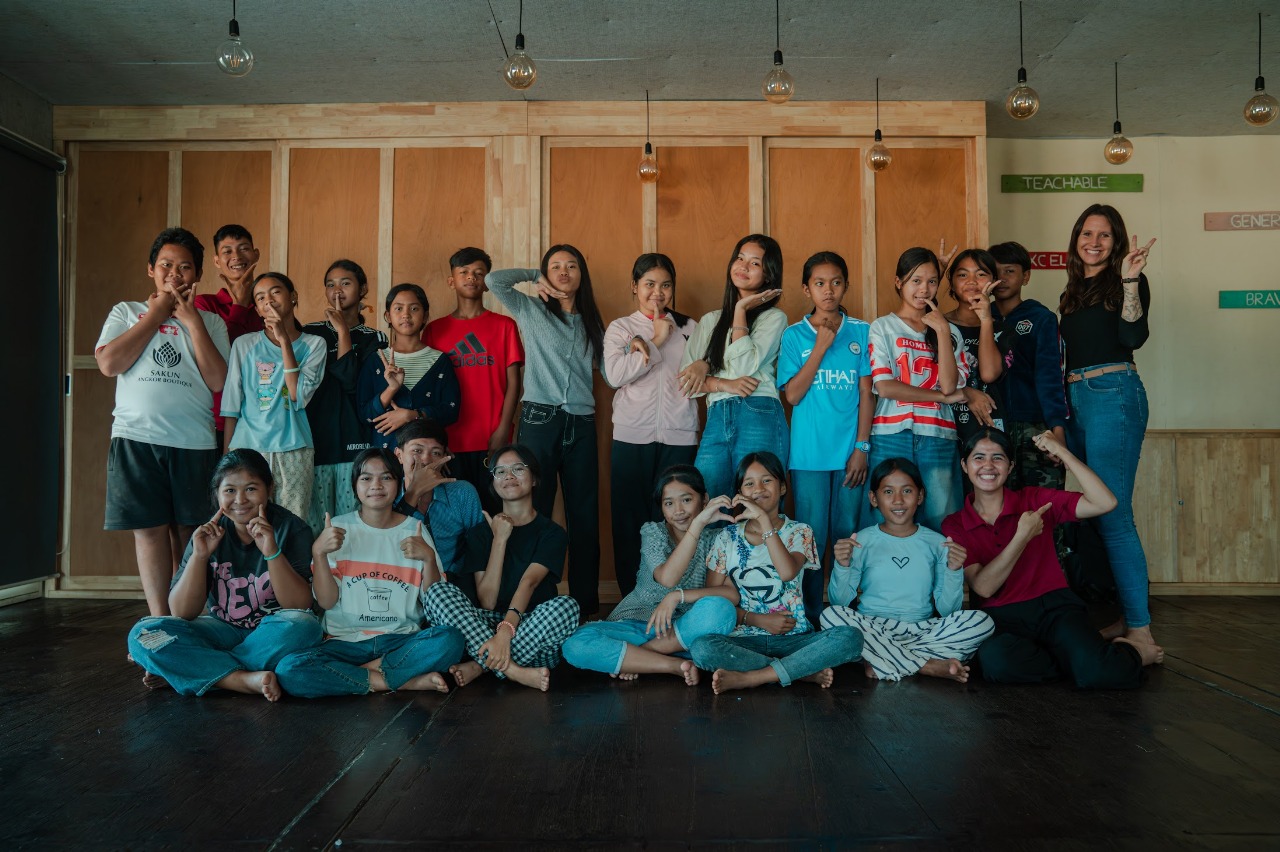
This lesson has been life-changing for me. It helped me understand how my thoughts shape my feelings, my actions, and how others experience me. I began to see how negative thinking was affecting not only my own peace, but also the people around me.
Through this lesson, I learned how to recognize and shift those negative thoughts that once held me back. It has given me greater self-awareness and helped me lead my life with more clarity and purpose.
When I shared this lesson with my university scholarship students, I saw how deeply it impacted them as well. Many of them said it was something they had never been taught before, yet it helped them understand themselves and manage their thoughts in a new way.
If you feel stuck in life, I truly encourage you to watch or take this lesson. It can bring real change—not only for you, but also for those around you.